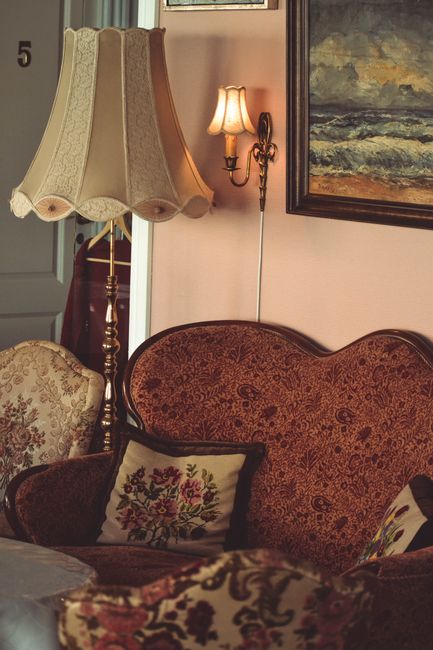
Northwood Hills upholstery cleaning for Victorian homes
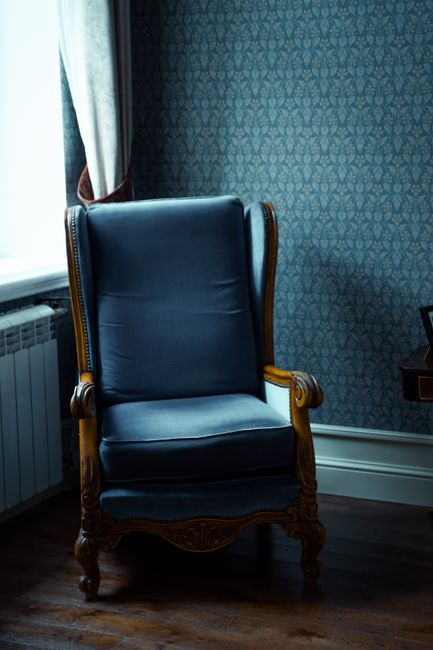
Victorian homes have a charm that is hard to fake: tall ceilings, timber floors, bay windows, ornate plasterwork, and furniture that often carries more history than people realise. But that character also brings a challenge. Upholstery in older Northwood Hills properties can trap dust, hold odours, fade unevenly, and react badly to the wrong cleaning method. If you are looking into Northwood Hills upholstery cleaning for Victorian homes, you probably want two things at once: a cleaner, fresher room and a careful approach that respects delicate fabrics, older fillings, and period features.
This guide walks through what matters, how professional upholstery cleaning works, and how to make sensible decisions for sofas, armchairs, dining chairs, window seats, and other fabric furnishings in Victorian properties. You will also find practical tips, common mistakes, a comparison of methods, and a realistic checklist you can actually use. No fluff. Just the useful stuff, explained properly.
Why Northwood Hills upholstery cleaning for Victorian homes matters
Victorian homes are not like modern box-builds with synthetic furnishings and straightforward maintenance. In older houses, upholstery often sits in rooms with different airflow, original fireplaces, thicker walls, and more varied temperature changes. That can affect how dust settles and how fabrics age. You may notice a sofa that looks clean on top but gives off a stale smell after the heating comes on, or dining chairs that seem to darken near the arms where people touch them every day.
The point of proper upholstery cleaning is not just appearance. It is care. Older homes tend to accumulate fine dust, soot residue from long-term use of fireplaces, pet hair, pollen, and everyday oils from skin and hands. Over time, those particles work their way into fibres and padding. If left there, they can make the room feel dull and slightly heavy. To be fair, you sometimes do not notice it until the furniture has been cleaned and the room suddenly feels lighter.
Victorian furnishings can also be more fragile than they look. Some pieces have horsehair or mixed natural fillings, hand-tied springs, antique trims, or fabrics that react poorly to excess moisture. A quick blast of water and detergent is the wrong move. That is why Northwood Hills upholstery cleaning for Victorian homes needs a careful, fabric-led approach rather than a one-size-fits-all treatment.
For many households, this is also about preserving value. Even if the furniture itself is not antique, it may be a well-made piece that suits the home perfectly. Cleaning it correctly can extend its life and keep the room feeling polished without losing the natural patina that makes a period property feel lived in.
Expert summary: In Victorian homes, upholstery cleaning should protect both the fabric and the structure underneath. The aim is fresh, hygienic, low-risk cleaning that respects older materials and avoids overwetting.
How Northwood Hills upholstery cleaning for Victorian homes works
Professional upholstery cleaning usually starts with an inspection. That sounds obvious, but it matters a lot in older homes. The cleaner should identify the fabric type, look for wear, test a discreet area if needed, and check whether the item is safe for water-based or low-moisture cleaning. A velvet chair, for example, is handled differently from a hard-wearing woven sofa. And a faded armchair by the window may need a gentler touch than the same chair would in a shaded room.
The cleaning process often includes dry soil removal first. That means vacuuming thoroughly, including crevices, seams, and under cushions where dust, crumbs, and grit collect. In Victorian homes, there is often more settled dust than people expect. You know the sort: it hides in the piping, then appears the second you move a cushion.
After that, the method depends on the fabric and condition. Common approaches include controlled hot water extraction, low-moisture cleaning, specialised spot treatment, or gentle agitation with fabric-safe solutions. The right method is chosen to reduce risk of shrinkage, colour bleed, texture distortion, and long drying times. If a piece is especially delicate, hand cleaning or targeted stain treatment may be more suitable than a full wet clean.
Drying is just as important as cleaning. Good airflow, sensible room temperature, and avoiding over-wetting all help prevent musty odours and slow drying. In an older property, where ventilation may not be as straightforward as in a new build, this part is easy to underestimate. Yet it is often the difference between a pleasant result and a slightly damp, lingering smell the next morning.
If you want to understand the wider service standards around fabric care, it can help to look at professional upholstery cleaning as a general service and then apply those principles carefully to Victorian interiors.
Key benefits and practical advantages
There is a clear visual benefit to clean upholstery, but the real value usually goes deeper than that. In a Victorian home, where rooms are often used for relaxing, entertaining, reading, or family life, the furniture plays a bigger role in the feel of the whole space.
- Improved freshness: Removing body oils, dust, and trapped odours can make the room feel more breathable.
- Better appearance: Colours often look brighter when the dulling layer of dust and grime is removed.
- Longer furniture life: Grit and embedded soil can abrade fibres over time, so cleaning helps slow wear.
- More comfortable living: Sofas and chairs feel better when they are clean and not holding old odours.
- Support for allergy-sensitive households: Regular maintenance can reduce the build-up of dust and pet debris, though it is not a medical treatment.
- Better preservation of period character: Clean upholstery complements original floors, fireplaces, and decorative details without making a room feel stripped back or sterile.
There is also a practical benefit that people forget: clean upholstery is easier to inspect. When a chair or sofa is heavily soiled, small issues like loose seams, moth damage nearby, or hidden staining can go unnoticed. After a proper clean, you can actually see what needs attention. That is useful in older homes, where maintenance often happens in layers rather than all at once.
For households with pets, regular fabric care can make an enormous difference. If a cushion has absorbed a recurring smell or a favourite armchair has become the unofficial dog perch, a targeted service such as pet stain and odour removal may be worth considering alongside upholstery cleaning.
Who this is for and when it makes sense
This kind of cleaning is useful for more people than you might think. It is not only for owners of restored period properties or houses with antique furniture. In practice, it suits any Victorian home where the upholstery has started to look tired, smell stale, or pick up marks that do not respond well to light vacuuming.
It makes sense if you are:
- preparing a Victorian home for sale or new tenants
- refreshing a sitting room after a winter of heavy use
- dealing with armrest dirt, food marks, or pet odours
- trying to protect older upholstery from unnecessary damage
- looking to improve the feel of a room without replacing furniture
- cleaning inherited pieces that have sentimental value and need careful handling
It may also be sensible after decorating work. Victorian homes often gather fine dust during sanding, painting, or repairs. That dust does not always stay on surfaces; it settles into soft furnishings, where it can sit quietly for ages. Then one warm day, the room smells a bit off and you realise the upholstery has been holding onto it all along. Charming. Not really.
If you are comparing service options, it can help to think about whether you need just sofa care or a wider fabric refresh. Some homes benefit from pairing upholstery work with curtain cleaning or rug cleaning, especially where the overall room finish matters.
Step-by-step guidance
Here is a sensible way to approach upholstery cleaning in a Victorian home, whether you are planning the work yourself or briefing a professional.
- Identify the material. Check the manufacturer's label if it is still present, but do not rely on it alone. Older furniture may not have a clear label, and a visual inspection still matters.
- Look for problem areas. Note stains, faded sections, water marks, loose stitching, and areas that smell musty or sour.
- Vacuum thoroughly. Use a soft brush attachment, and take time around seams, piping, and buttons. That first pass can make a surprising difference.
- Test before treating. A discreet patch test helps reduce the risk of colour transfer or fabric damage.
- Choose the right method. Water-based, low-moisture, or targeted treatment may all be appropriate depending on the fabric.
- Treat stains carefully. Work from the outside in, and avoid aggressive scrubbing that can distort fibres.
- Control moisture. Overwetting is one of the biggest risks in older properties and in older furniture.
- Dry properly. Allow enough airflow and avoid sitting on the furniture until it is fully dry.
- Inspect the result. Check for shadowing, tacky residue, or any texture change once the item has dried.
For stubborn marks or traffic areas, a specialist stain service may be useful before or alongside upholstery care. You can review the approach used for stain removal to understand how targeted treatment differs from a full clean.
If the furniture is part of a larger home refresh, some households also ask about related fabric services such as sofa cleaning or mattress cleaning. It depends on the home, the fabric, and frankly the level of chaos life has brought that month.
Expert tips for better results
Victorian homes reward a slower, more careful approach. That sounds obvious, but it is easy to rush when you are keen to see a fresh result. The better plan is usually a controlled one.
- Use less moisture than you think. Older fabrics and padding often prefer a restrained clean over a heavy wet treatment.
- Keep room airflow moving. Open windows when weather allows, use fans sensibly, and avoid trapping damp air in the room.
- Protect delicate trims. Fringe, braid, piping, and buttoning can all be more vulnerable than the main fabric field.
- Clean with the room in mind. A Victorian lounge often has multiple fabric surfaces. One clean item can look odd next to neglected curtains or a dusty rug.
- Schedule work before an event. If you need the room ready for guests, leave time for drying. Last-minute cleaning is where bad decisions happen.
- Ask about fibre-safe products. It is fair to ask what is being used and why. Good providers should be able to explain it plainly.
One small but useful habit: take a photo of the upholstery before cleaning. Not because you expect drama, but because older fabrics can change subtly as they dry. A before-and-after image helps you spot whether the pile has flattened or whether a mark was already there. Handy, really.
When upholstery sits beside carpets and rugs, it often makes sense to think about the whole soft-furnishings system rather than the sofa alone. If the floor covering is also looking tired, the wider carpet cleaning service may be worth exploring as part of the same room reset.
Common mistakes to avoid
Most upholstery damage happens because someone was in a hurry or guessed. Victorian homes are unforgiving that way. A mistake that would be harmless on a modern synthetic chair can become a real problem on older furnishings.
- Using too much water: This can leave rings, slow drying, and in some cases affect fillings or frames.
- Scrubbing stains hard: Friction can spread the stain and roughen the fabric surface.
- Skipping the patch test: A small test area is a minor inconvenience compared with a large colour-bleed issue.
- Ignoring old repairs: Loose seams and weak stitching need care before cleaning begins.
- Cleaning only the obvious patch: This can create a visible tide mark or uneven finish.
- Not planning drying time: If the room is used too soon, odour and texture issues can come back.
- Assuming all upholstery is the same: Velvet, wool blends, linen, leather-look synthetics, and antique fabrics all behave differently.
There is another quiet mistake: not setting expectations properly. Some marks fade dramatically, some soften, and some remain as part of the furniture's story. Victorian pieces have history, and history does not always vanish completely. That is not failure. It is just the real world.
Tools, resources and recommendations
For everyday care, you do not need a cupboard full of specialist kit. In fact, too much product often leads to residue. A sensible maintenance routine is usually enough between professional cleans.
| Tool or resource | Best use | Why it helps in Victorian homes |
|---|---|---|
| Vacuum with upholstery attachment | Regular dust and debris removal | Reaches seams, buttons, and decorative edges without harsh contact |
| Soft microfiber cloth | Light surface dusting | Gentle on older fabrics and trims |
| Fabric-safe spot treatment | Small fresh marks | Useful where immediate action reduces staining, but always patch test |
| Portable fan or good ventilation | Drying support | Helps reduce lingering moisture in rooms that do not air quickly |
| Professional inspection | Assessment before deeper cleaning | Especially useful for older, inherited, or delicate furniture |
If you are choosing a provider, the most useful questions are simple: What method will you use on this fabric? How long will drying take? What happens if the item is fragile? That last one matters more than people think.
It may also help to review the company's practical policies before booking. Pages such as pricing and quotes, payment and security, and insurance and safety can tell you a lot about how seriously a business treats customer confidence and risk management.
For households interested in broader sustainability, a company's recycling and sustainability approach may also matter, especially if you prefer careful product use and responsible waste handling.
Law, compliance, standards and best practice
Upholstery cleaning in private homes is not usually the kind of job that needs a reader to memorise legislation. Still, good practice matters. In the UK, reputable cleaning work should be carried out with attention to health and safety, product handling, equipment safety, and sensible communication about risks. That is especially true in older homes, where floors may be uneven, rooms can be tight, and access around furniture is not always straightforward.
Best practice includes:
- clear explanation of the method before work begins
- appropriate patch testing on delicate fabrics
- safe use of cleaning products and equipment
- careful movement of furniture to avoid damage
- realistic guidance on drying and aftercare
- honest communication if an item is at risk of colour loss or structural weakness
Customers should also expect a transparent complaints process if something goes wrong, and a privacy policy that explains how personal details are handled. These may sound like back-office details, but they matter because trust is part of the service. If you are letting someone into a period home with heirloom pieces and fitted furnishings, you want professionalism, not vague reassurance and a shrug.
A good starting point is to review the company's own published policies, including health and safety policy, terms and conditions, privacy policy, and complaints procedure. That does not guarantee perfect results, of course, but it does show whether the business has thought through the basics properly.
Accessibility matters too. A home visit or booking process should be usable for different customers, and a business's approach to access can be reviewed on its accessibility statement.
Options, methods and comparison table
Not every upholstered item needs the same treatment. Victorian homes often contain a mix of fabrics, ages, and levels of wear, so the method should fit the item rather than the other way round.
| Method | Best for | Strengths | Things to watch |
|---|---|---|---|
| Low-moisture cleaning | Delicate or older upholstery | Reduces wetting risk and helps faster drying | May not suit deeply embedded soiling on all fabrics |
| Hot water extraction | More robust fabrics and heavier soil | Can lift deeper grime and some odours effectively | Needs careful control to avoid overwetting |
| Targeted stain treatment | Isolated marks or localised accidents | Focused, efficient, and often gentler than full cleaning | May not refresh the whole item evenly if used alone |
| Hand cleaning / delicate treatment | Fragile fabrics, trims, or antique pieces | Maximum control, lower physical stress on the fabric | Usually slower and may not remove every stain completely |
For most Victorian homes, the right answer is not "the strongest method available." It is "the least aggressive method that still gives a good result." That is a useful mindset. A sensible one too.
If your home includes a guest room or rented space with frequent use, pairing upholstery care with commercial carpet cleaning may be relevant in larger or mixed-use buildings, but only where the setting truly fits. Not every domestic property needs a commercial-style service, obviously.
Case study or real-world example
Imagine a Victorian terrace in Northwood Hills with a bay-front sitting room, two fabric armchairs, and a three-seat sofa that has seen years of family life. The furniture looks reasonably clean at first glance, but the arms are darkened, the cushions smell a little flat after rain, and the room has that "closed up" feel that older homes can get in winter.
A careful clean would start with inspection and vacuuming. The armchairs might need targeted treatment because the fabric is slightly more delicate, while the sofa could handle a deeper low-moisture clean. The cleaner would likely avoid flooding the seating, pay close attention to the seam lines, and check whether any old marks are actually dye damage rather than removable dirt.
What tends to happen in a case like this is that the room does not just look better. It feels more open. The fabric lifts. The slight stale note in the air eases off. The furniture still looks like it belongs in a Victorian house - which is the point - but it no longer feels as though it has been carrying the weight of every winter since 2016. Small win, big difference.
The lesson here is simple: a good result in a period property is not about making everything look brand new. It is about making it look cared for, balanced, and comfortable again.
Practical checklist
Use this checklist before booking or carrying out upholstery cleaning in a Victorian home.
- Identify the upholstery fabric and check for any care labels.
- Look for damage, loosened stitching, worn arms, or faded zones.
- Decide whether the item needs a full clean or just targeted stain treatment.
- Vacuum thoroughly before any wet or low-moisture work begins.
- Patch test in a hidden area where possible.
- Ask how the cleaner will manage delicate trims, buttons, or antique details.
- Confirm drying time and room ventilation needs.
- Check that the provider has clear policies on safety, payments, and complaints.
- Plan around the room's use so the furniture is not needed too soon.
- Review the result once fully dry, not just when it first looks damp and improved.
One more thing: if a piece has sentimental value, say so. It changes how people approach the job. They really do pay more attention when they know the chair belonged to someone's grandmother. As they should.
Get a free quote today and see how much you can save.
Conclusion
Northwood Hills upholstery cleaning for Victorian homes is really about balance. You want freshness without over-treatment, cleaner fabric without losing the character of the room, and practical results without gambling on fragile materials. Victorian properties reward patience, the right method, and a bit of judgement. They are not difficult for the sake of it - just a touch more thoughtful than modern interiors.
When upholstery is cleaned well, the whole room changes. It feels lighter, better kept, and more comfortable to live in. And in a house with period features, that matters. The fabric should support the home, not fight it.
So if your sofa is looking a little tired, your armchair has seen better days, or the room simply feels stuffy after too many months of ordinary life, a careful clean may be exactly the reset it needs. Nothing flashy. Just the kind of proper, respectful work that old houses tend to appreciate.
Frequently Asked Questions
How often should upholstery be cleaned in a Victorian home?
That depends on use, pets, children, and the fabric itself. Many homes benefit from regular vacuuming and a professional clean when the furniture starts to look dull, smell stale, or pick up visible marks. Heavy-use rooms may need attention more often than guest rooms.
Is steam cleaning safe for Victorian upholstery?
Sometimes, but not always. The term "steam cleaning" is often used loosely, and older upholstery may not tolerate high moisture well. A careful inspection is needed first. Many delicate fabrics are better suited to low-moisture methods or targeted treatment.
Can old stains be removed from antique or period furniture?
Sometimes yes, sometimes partially, and sometimes no. It depends on the age of the stain, the fabric, the dye stability, and whether the mark has set into the fibres. A sensible cleaner will explain the likely outcome before starting.
What makes Victorian homes harder to clean than newer homes?
Older homes often have delicate furnishings, less predictable airflow, more settled dust, and furniture that may have aged fillings or repairs. The rooms themselves can also be trickier to ventilate properly after cleaning.
Will upholstery cleaning make my furniture look brand new?
Not necessarily, and that is not always the goal. Good cleaning should make furniture look fresher, brighter, and better cared for. Some wear, fading, and character marks will remain, especially on older items.
What should I do before a cleaner arrives?
Clear small items from the room, check for loose objects under cushions, note any stains or damage, and mention anything that has sentimental value. If possible, make access to the room simple and safe. A little preparation helps a lot.
Are pet smells removable from upholstered furniture?
Often they can be reduced significantly, especially if the issue is recent or localised. Older or deep-set odours are more difficult. Services such as pet stain and odour removal may be useful where the smell has soaked into cushions or seams.
How long does upholstery take to dry?
Drying time varies by fabric, method, room temperature, and ventilation. Low-moisture cleaning usually dries faster than wetter methods. In a Victorian home, good airflow is particularly important because rooms may not dry as quickly as people expect.
Can I clean delicate Victorian upholstery myself?
You can do light maintenance like vacuuming and careful spot treatment on suitable fabrics, but delicate or valuable upholstery is often safer in professional hands. The risk of colour bleed, shrinkage, and texture damage is real if the fabric is older or uncertain.
What questions should I ask before booking a cleaner?
Ask what method will be used, whether the fabric will be patch tested, how long drying should take, and what happens if the item is fragile. It is also sensible to review pricing, safety, and the complaints process before you commit.
Is upholstery cleaning worth it for furniture that is not antique?
Absolutely. Many Victorian homes use modern sofas and chairs that still need careful care because of the room conditions and the style of the property. Clean, well-kept upholstery helps the whole home feel more comfortable and cohesive.
Should I clean upholstery and carpets at the same time?
Often that makes sense, especially in living rooms where dust and soil move between soft furnishings and floor coverings. A combined approach can create a more complete refresh, though the right plan depends on the room and the fabric conditions.